

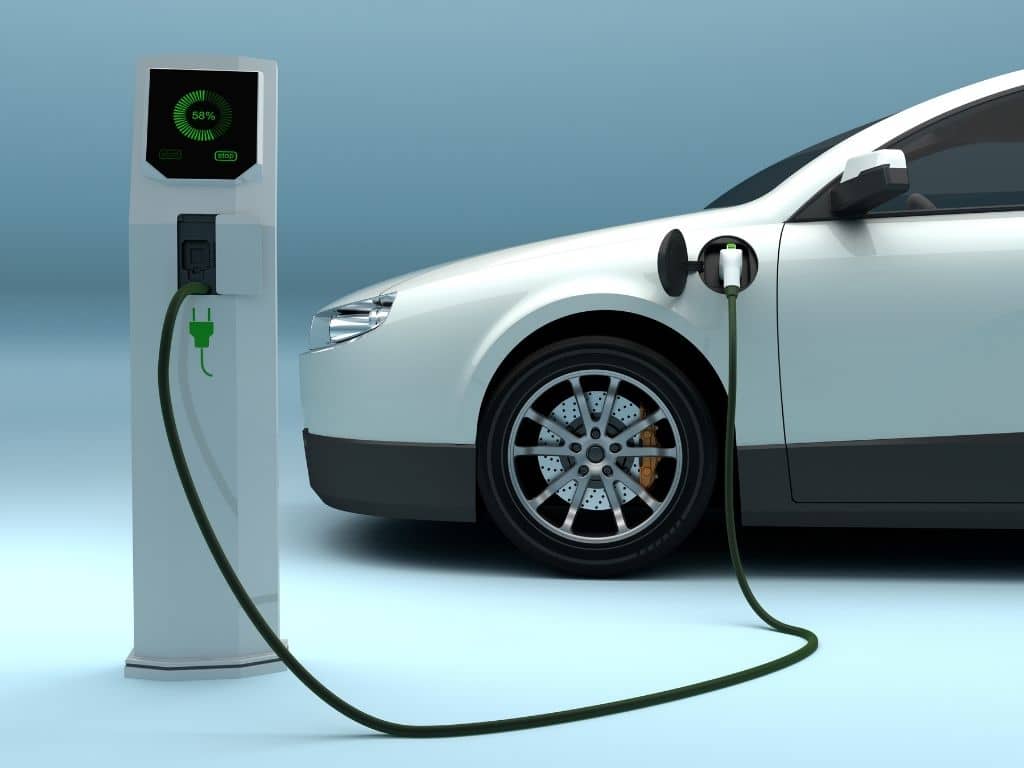
Electric vehicles (EVs) have gained significant traction in recent years, driven by the need for sustainable transportation solutions and advancements in technology. One of the most critical areas of research and development (R&D) within the electric vehicle sector is battery technology. The performance, efficiency, cost, and environmental impact of batteries directly influence the adoption and viability of electric cars.
1. Importance of Battery Technology in EVs
The battery serves as the heart of an electric vehicle, determining its range, charging time, lifespan, and overall performance. Currently, lithium-ion batteries dominate the market due to their high energy density and relatively low cost. However, researchers are exploring alternative chemistries that could offer better performance metrics.
2. Current Trends in Battery Research
Recent R&D efforts focus on several key areas:
- Solid-State Batteries: These batteries replace the liquid electrolyte found in conventional lithium-ion batteries with a solid electrolyte. This change can potentially increase energy density significantly while reducing safety risks associated with flammable liquids. Companies like Toyota and QuantumScape are leading initiatives to commercialize solid-state technology.
- Lithium-Sulfur Batteries: Lithium-sulfur (Li-S) batteries promise higher energy densities than traditional lithium-ion batteries due to sulfur’s abundance and low cost. Researchers are working on overcoming challenges related to cycle life and efficiency to make Li-S a viable option for EVs.
- Fast-Charging Technologies: Rapid charging capabilities are essential for consumer acceptance of electric vehicles. Research into ultra-fast charging technologies aims to reduce charging times significantly—potentially down to 10 minutes or less—by improving battery chemistry and thermal management systems.
3. Environmental Considerations
As R&D progresses, environmental sustainability remains a crucial consideration. The extraction of raw materials like lithium, cobalt, and nickel poses ecological challenges. Researchers are investigating recycling methods for used batteries and developing new materials that minimize environmental impact while maintaining performance standards.
4. Government Policies and Industry Collaboration
Government policies play a pivotal role in shaping R&D directions through funding initiatives and regulations aimed at promoting clean energy technologies. Collaborations between automakers, tech companies, universities, and research institutions foster innovation by pooling resources and expertise.
5. Future Outlook
The future of electric vehicle battery technology looks promising as ongoing research continues to address current limitations while enhancing performance characteristics. Innovations such as artificial intelligence (AI) for optimizing battery design processes or machine learning algorithms for predicting battery life cycles are emerging trends that could revolutionize the industry.
In conclusion, advancements in electric vehicle battery technology represent a dynamic area of research that is crucial for the widespread adoption of electric vehicles. As researchers continue to explore new materials, chemistries, and manufacturing processes while considering environmental impacts, we can expect significant improvements in EV performance over the coming years.
